Fields of Work
Seven Fields Shaping 2026
Each field page combines objective labor-market data, demand drivers, and honest risk notes with the career guides that sit inside it.
 7 careers
AI & Data
Models, pipelines, and the people who make machine intelligence dependable.
Artificial intelligence moved from pilot projects to production budgets between 2023 and 2026. The Stanford AI Index 2025 documents record private investment in generative AI and a sharp rise in the share of organizations reporting AI use in at least one business function. That shift changes what employers hire for: fewer pure researchers, many more engineers who can evaluate, deploy, monitor, and govern models inside existing systems.
Explore the field 16 careers
Software & Cloud
Applications, platforms, and infrastructure that run the digital economy.
Software engineering remains the largest technical labor market in the world, but its shape has changed. After the 2022–2024 correction in big-tech hiring, demand has concentrated in platform engineering, cloud cost optimization, reliability, and teams that integrate AI assistants into delivery pipelines. The Stack Overflow Developer Survey 2025 shows most professional developers now use or plan to use AI coding tools, while trust in their output remains measured — a gap that rewards engineers who review, test, and secure generated code well.
Explore the field 2 careers
Security & Cryptography
Defenders, testers, and cryptographers protecting systems and data.
Security talent shortages have been reported for a decade, and 2025–2026 data still show a gap between open roles and qualified candidates. The ISC2 Cybersecurity Workforce Study notes that budget constraints, not lack of need, now slow hiring at many organizations — meaning candidates with demonstrable, hands-on skills get offers while generalists wait.
Explore the field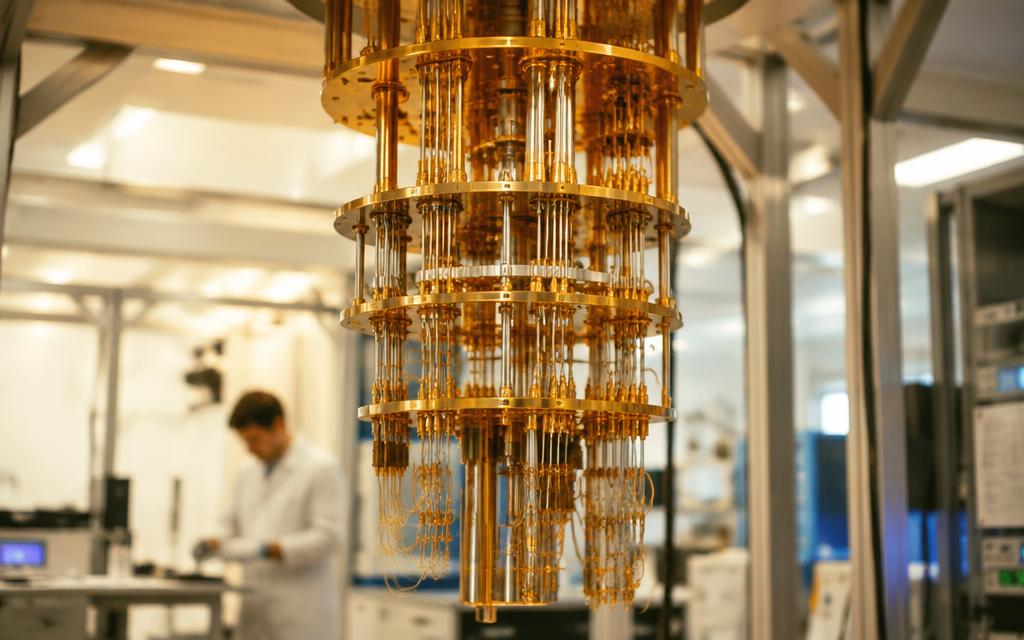 6 careers
Quantum Technology
Computing, sensing, and communication built on quantum physics.
Quantum technology is still an early-stage industry, but it is no longer purely academic. McKinsey's Quantum Technology Monitor tracks billions of dollars in annual public and private investment and highlights a persistent talent gap: there are far fewer qualified candidates than open positions requiring both physics depth and software or hardware engineering skill.
Explore the field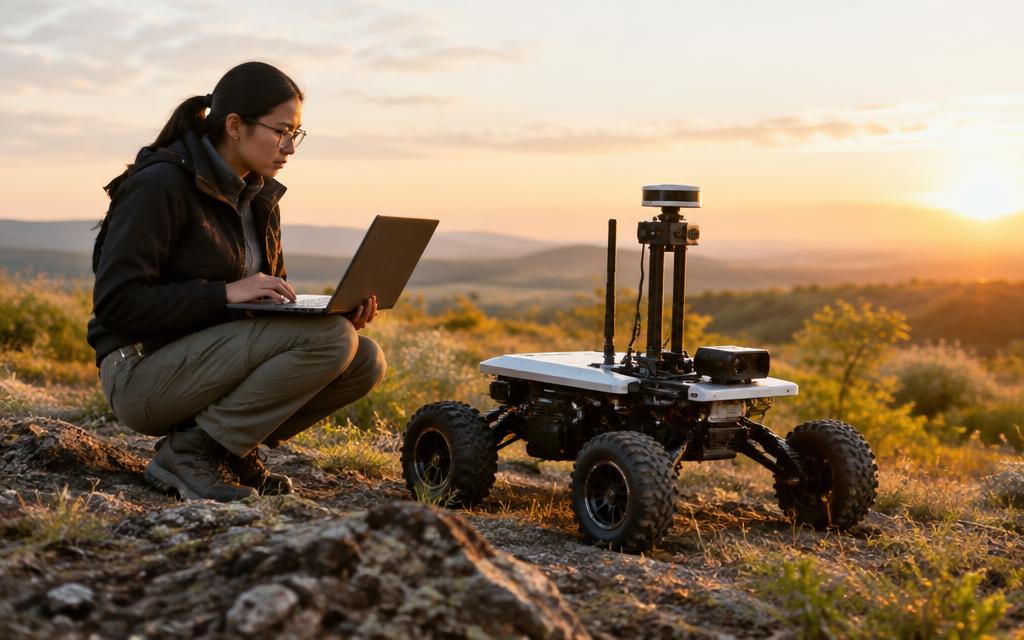 10 careers
Robotics & Autonomous Systems
Software that lets machines perceive, plan, and move safely in the real world.
The International Federation of Robotics reports more than four million industrial robots operating in factories worldwide, with annual installations above half a million units. Growth is now spreading beyond the factory floor into ports, farms, mines, warehouses, railways, oceans, and space — environments where autonomy software, not mechanical design, is the main bottleneck.
Explore the field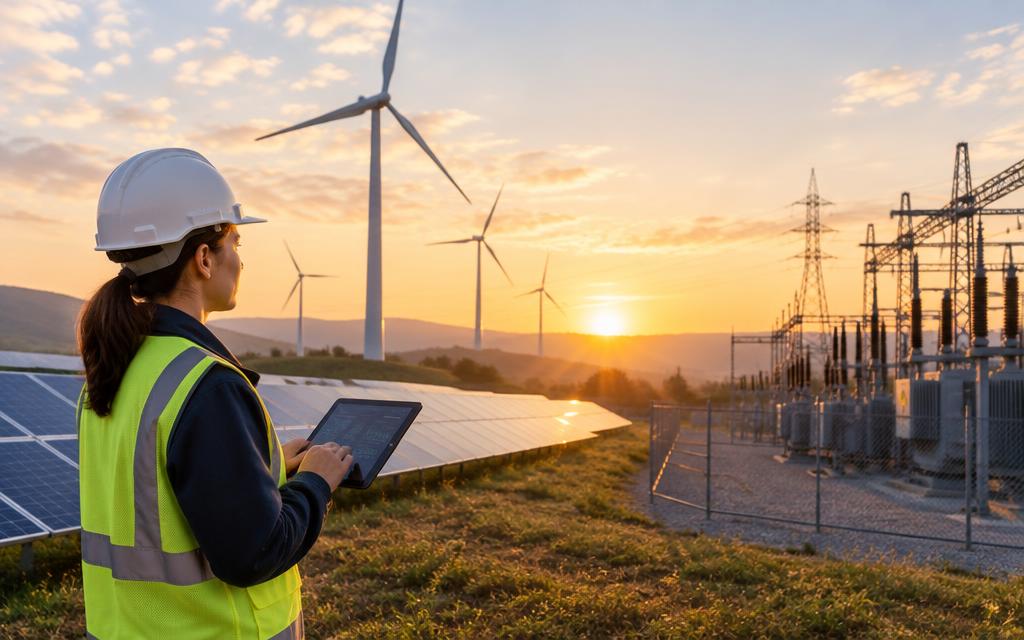 5 careers
Energy & Infrastructure
Digital engineering for grids, cities, and the climate transition.
The International Energy Agency's World Energy Investment report shows global clean-energy investment now roughly double fossil-fuel investment. Each new solar farm, battery, offshore cable, and heat pump adds devices that must be monitored and controlled, so the energy transition is also a software and data transition.
Explore the field 4 careers
Bio & Health Tech
Where computation meets biology, medicine, and the human body.
Biology has become a data-intensive discipline. Sequencing costs keep falling, lab automation enables thousands of experiments per week, and AI protein-structure tools recognized by the 2024 Nobel Prize in Chemistry are now routine in drug discovery. That creates demand for engineers who can build reliable pipelines, lab software, and regulated medical devices.
Explore the field